

How to Prepare for a Minnesota PPD Mediation

The mn ppd schedule sets the framework for rating permanent impairment in a Minnesota workers’ compensation claim. Your treating physician and an insurer-selected examiner can describe the same lasting injury in conflicting terms. So which findings matter for a mediation over a disputed permanent partial disability rating? Look first at the medical basis behind each rating; the percentage printed at the end of the report means little by itself.
This guide covers general Minnesota procedure. Nothing in it substitutes for legal advice about your claim or a proposed agreement.
What a Minnesota PPD Mediation Can Resolve
What a PPD rating measures
Under guidance from the Minnesota Department of Labor and Industry, permanent partial disability, or PPD, compensates you for permanent functional impairment caused by a work injury. PPD stands apart from temporary or permanent wage-loss benefits. Your physician documents the medical findings and performs the rating analysis, and the state’s administrative disability schedules connect qualifying impairments to percentages. A doctor’s sense of fairness doesn’t set the percentage.
How the MN PPD Schedule affects settlement discussions
Under Minnesota Statutes section 176.101, your compensable percentage is applied to the schedule amount assigned to its rating range. For injuries occurring on or after October 1, 2023, and before October 1, 2026, a 5% whole-body rating multiplied by $114,260 produces $5,713. A 10% rating, multiplied by $121,800, produces $12,180.
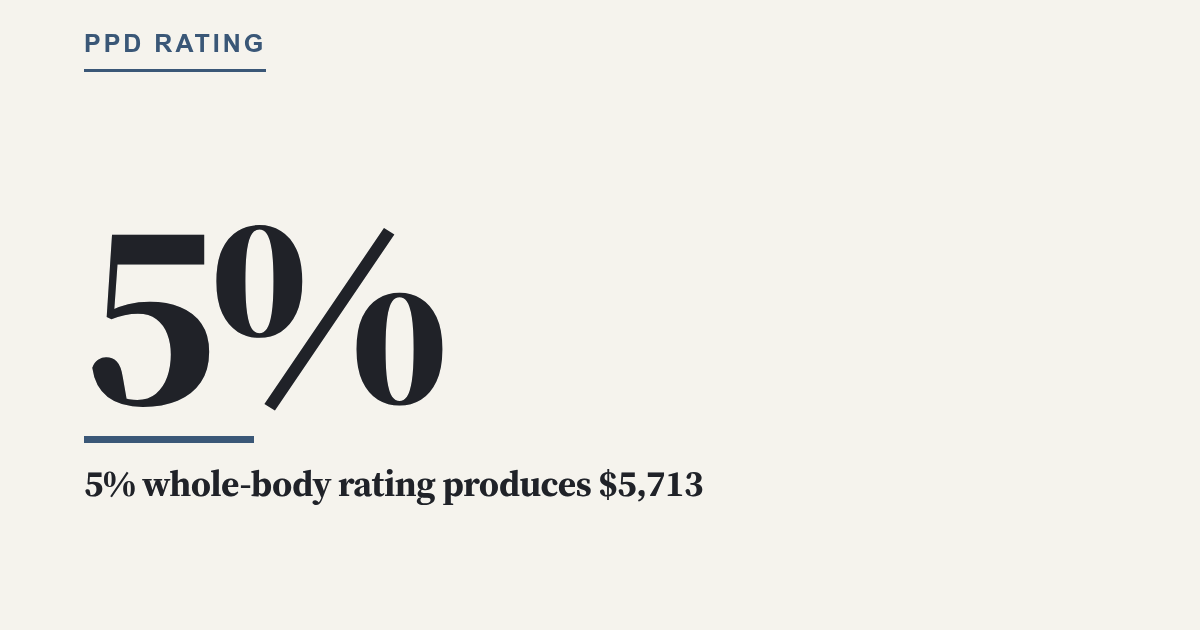
Shift a rating from 5% to 10% and the payout more than doubles. The tiers climb as percentages rise, and a disputed percentage can shift the multiplier with them. That arithmetic alone can become a sticking point in disputed claims. Injured Minnesotans can bring in counsel for the review. A Minnesota workers’ compensation mediation lawyer at Mottaz & Sisk Injury Law can help review the medical reports and wage records behind a rating to navigate disputed benefits before the session. Verify your injury date and the legally applicable schedule before running numbers.
What the mediator does
Minnesota Department of Labor and Industry alternative dispute-resolution materials describe mediation as negotiation involving a neutral person who helps the parties spot disagreements and evaluate settlement positions. Mediators don’t provide treatment, and they don’t rewrite medical findings. Participation rules flow from how your dispute entered the system, so read your scheduling notice for the procedure that governs your session.
Seven Steps to Prepare Your PPD Evidence
1. Write down the precise disagreement
Pin down the disputed body part and claimed percentage. Record the injury date and each party’s position. Keep the causation disagreement and the rating issue separate. Then list remaining disputes over medical care, wage loss, or contested work restrictions. One sentence is enough: “My shoulder impairment rating is disputed because the parties disagree about which rating criteria apply.”
2. Collect every report that contains a rating or medical basis
Pull the full report. A screenshot of the final percentage leaves out the reasoning you need. Retain examination findings and diagnoses alongside imaging references. Include maximum-medical-improvement opinions and work restrictions, plus any rating criteria the physician identified. Preserve the original page order, and mark the author and report date on your working copy.
3. Compare the competing medical opinions line by line
Use this table to compare the reports, adding page references beside your notes. Don’t dismiss an insurer-selected opinion solely because the insurer requested it. Evaluate its methodology and supporting evidence.
| Comparison point | Treating physician’s report | Insurer-selected examination |
|---|---|---|
| Body part and diagnosis | Record the precise condition evaluated | Record the precise condition evaluated |
| PPD percentage | Enter the assigned percentage | Enter the assigned percentage |
| Objective findings | Note measurements, imaging, or exam findings | Note measurements, imaging, or exam findings |
| Rating criteria | Identify the cited category or criteria | Identify the cited category or criteria |
| Maximum medical improvement | Record the opinion and date | Record the opinion and date |
| Future treatment | Note any recommended care | Note whether future care is disputed |
| Missing explanation | Flag unsupported conclusions | Flag unsupported conclusions |
4. Build a treatment chronology
Arrange relevant events by date, beginning with the injury and major appointments. Add diagnostic testing and treatment changes; note work restrictions and when a physician considered your condition stable. Leave unrelated medical history out. Your goal is a focused medical record.
5. Check how each settlement number was produced
Request the arithmetic behind each PPD proposal, or reconstruct it from the supporting records. Make the percentage and applicable schedule tier visible. Show credits for prior payments and the proposed payment form. Keep PPD separate from medical expenses and wage-loss components. A single total can conceal which benefit the proposal compromises, so label each component on your calculation sheet.
6. Identify unresolved future-treatment questions
List any proposed surgery or injections. Note pending therapy and medication plans alongside specialist follow-up. Ask which recommendations remain active and which decisions await another appointment. Keep these clinical questions together for the settlement-language review described below.
7. Prepare a one-page mediation summary
Your summary should name the disputed rating and its strongest supporting findings, then connect each unresolved benefit to a specific question so the discussion stays tied to evidence, not general dissatisfaction with an offer. Note missing evidence and prior payments separately. Finish with questions about proposed terms, using page references to point readers to supporting documents.
Fix Evidence Problems Before the Mediation Session
When records or reports are missing
Compare your doctor’s records against the insurer’s exhibit packet. If a report is absent, request it early and make sure every party receives the full document. Distinguish a delayed report from one that doesn’t exist. Label an anticipated opinion as pending, never as established evidence. Ask your doctor to address factual errors through a dated correction or addendum; never alter the report yourself.
When the doctors use different diagnoses or criteria
Different diagnoses or examination measurements can lead to different rating analyses. Body-part categories and assumptions about work-related causation can change the analysis under Minnesota’s administrative disability schedules too. Ask the physician to explain the connection between the findings and the applicable criteria. Request clarification of the specific diagnosis or rule category; don’t simply push for a higher number.
When the condition may still change
Under Minnesota law, you reach maximum medical improvement once further significant recovery or significant lasting improvement is no longer reasonably anticipated. Your physician supplies that opinion. If surgery or material improvement is expected, ask how that possibility affects the current rating and proposed settlement.
When the settlement language is broader than the rating dispute
Determine whether your proposal affects future medical care or wage-loss claims. Check vocational rehabilitation and other benefits separately. Uncertain treatment needs can make a medical-benefit closeout especially consequential. Obtain individualized advice first. Mark each paragraph “understood” or “disputed,” and label anything unclear “requires explanation.”
What to Bring and What to Expect on Mediation Day
Your mediation packet
Arrange your packet in a consistent order, with page numbers matching your summary.
- Complete rating reports from every physician
- Relevant treatment records and diagnostic reports
- A dated treatment chronology
- The medical-opinion comparison table
- Payment records and the arithmetic behind each proposal
- Wage records if wage-loss benefits are also disputed
- Every written settlement proposal
- A one-page list of unresolved questions
How the session may unfold
Explain your disagreement briefly. Let the documents carry the technical detail, and refer to the relevant page when a question arises. The session may end without an agreement. Your case’s procedural position determines what comes next; retain the session’s written communications.
Questions About Minnesota PPD Claims
Which party is responsible for a PPD payment?
Your employer or its workers’ compensation insurer generally pays an accepted obligation under Minnesota workers’ compensation law, as explained in Department of Labor and Industry benefit guidance. A dispute over benefit eligibility or the amount payable may be resolved by agreement or through the applicable Minnesota adjudicative process.
How is a permanent impairment amount calculated?
The compensable percentage is applied to the schedule amount assigned to its rating range. Your injury date and applicable rating rules determine the correct schedule. See “How the schedule affects settlement discussions” above for the arithmetic.
What does a PPD rating appointment involve?
People sometimes call the medical rating evaluation a “PPD appointment,” but it is simply a medical exam. Under Minnesota’s administrative rating criteria, a physician may assess symptoms and treatment history, review imaging, and measure motion or strength. The findings that matter track the impairment being evaluated.
Walk Into Mediation With the Dispute Clearly Defined
Effective preparation turns a vague disagreement into specific questions about medical support and proposed terms. You don’t need to replace a physician’s analysis; you need to make the unresolved issues easy to locate. Put your one-page issue summary at the front of the organized mediation packet.


The Latest


