

Who Is Responsible When Poor Road Design Contributes to a Car Accident in Allentown?
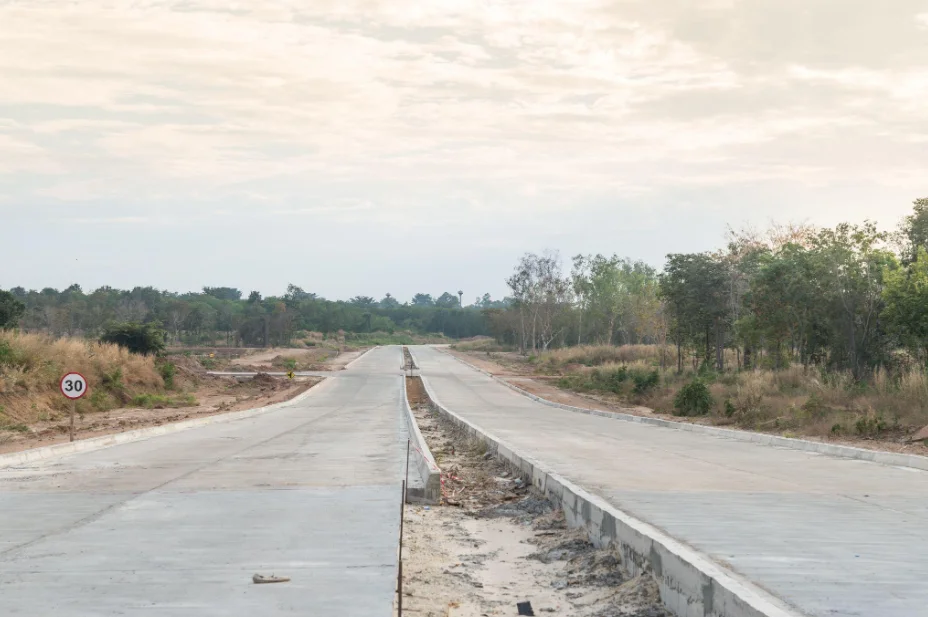
A car accident on an Allentown road is not always about driver error alone, even when a police report only lists the two drivers involved. Sometimes a blind curve, a missing guardrail, or a confusing intersection sets the stage for a wreck long before either driver makes a mistake behind the wheel. Figuring out who built or maintained that road, and whether they can be held responsible, is one of the harder parts of a Pennsylvania injury claim. That’s why injured drivers often bring their crash details to an Allentown car accident lawyer early, since government-related claims move on a much shorter clock than an ordinary case between two private drivers.
How Poor Road Design Can Cause a Crash
Road design problems build risk into a stretch of pavement long before any single driver arrives at the scene. A road engineered with a sharp curve that is not banked correctly, or an intersection where turning traffic cannot see oncoming cars, sets drivers up to fail no matter how careful they are. These flaws often show up in crash patterns, where the same stretch of road produces wreck after wreck for the same basic reason year after year.
- Blind intersections – sightlines blocked by buildings or overgrown brush
- Missing guardrails – no barrier near a steep drop or curve
- Confusing signage – unclear lane markings or contradictory signs
- Poor drainage – water pooling that causes cars to hydroplane
Why the Government Is Not Always an Easy Target
Pennsylvania protects government agencies from most lawsuits through a rule called governmental immunity, and that rule starts every road design case at a disadvantage. This protection covers Allentown, Lehigh County, and the Commonwealth agencies that build and maintain state roads, and it blocks most negligence claims by default before a case even begins. Courts read the narrow exceptions to that immunity strictly, so a road that is simply unpleasant, old, or inconvenient does not automatically create a case.
Before you can sue any government body in Pennsylvania, 42 Pa.C.S. § 5522 generally requires written notice within six months of the crash, filed with the specific agency involved. Missing that window can end a claim before it starts, even if the road itself was genuinely dangerous and the agency knew about it. This short deadline is one reason government-related crash claims move faster, and require earlier action, than a typical car accident case.
Who Actually Owns the Road Matters
Allentown sits at the crossing of state routes, city streets, and county roads, and each type of road answers to its own separate set of legal rules. A crash on a state highway like Route 22 falls under the Commonwealth’s Sovereign Immunity Act, and 42 Pa.C.S. § 8522(b)(4) allows claims for a dangerous condition of a state-owned highway when PennDOT knew or should have known about it. A crash on a city street instead falls under a separate law, and 42 Pa.C.S. § 8542(b)(6) allows a similar claim against Allentown itself for a dangerous condition it knew about and failed to fix.
- State highway – roads like Route 22, run by PennDOT
- City street – roads owned and maintained by Allentown
- County road – roads maintained by Lehigh County
- Private road – lots and driveways kept up by owners
How a Lawyer Builds a Road Design Claim
A lawyer starts by pulling maintenance records, prior complaint logs, and earlier crash reports for the same stretch of road, going back several years if the records exist. Photos, measurements, and traffic camera footage help show that the road’s design created a foreseeable danger rather than an unlucky one-time event that no one could have predicted. Proving the government agency knew about the problem, or should have known, is usually the hardest part of building the case.
Even a strong claim runs into limits on what you can collect, since a case against Allentown or Lehigh County caps damages at $500,000 under 42 Pa.C.S. § 8553(b). A claim against a state agency like PennDOT caps out differently, at $250,000 per person under 42 Pa.C.S. § 8528(b). A lawyer who understands both state and local rules can pursue every responsible party at once, rather than missing a deadline for one of them.
What a Dangerous Road Really Costs an Injured Driver
A dangerous road rarely announces itself until someone gets hurt on it, and by then the damage is already done. Once that happens, figuring out who owns the pavement, who maintained it, and who ignored earlier warning signs becomes the real work of the case. Two nearly identical crashes on two different roads in Allentown can lead to very different outcomes, simply because one road belongs to the state and the other belongs to the city. In the end, a safer intersection tomorrow often starts with someone asking the right questions about a crash that already happened today.


The Latest


